Product Development Examples
Explore how character ideas, plush concepts and creative merchandise can be translated into manufacturable products.
Each example focuses on development decisions such as format, materials, construction, sampling and packaging. The examples are educational and do not represent named customer projects.
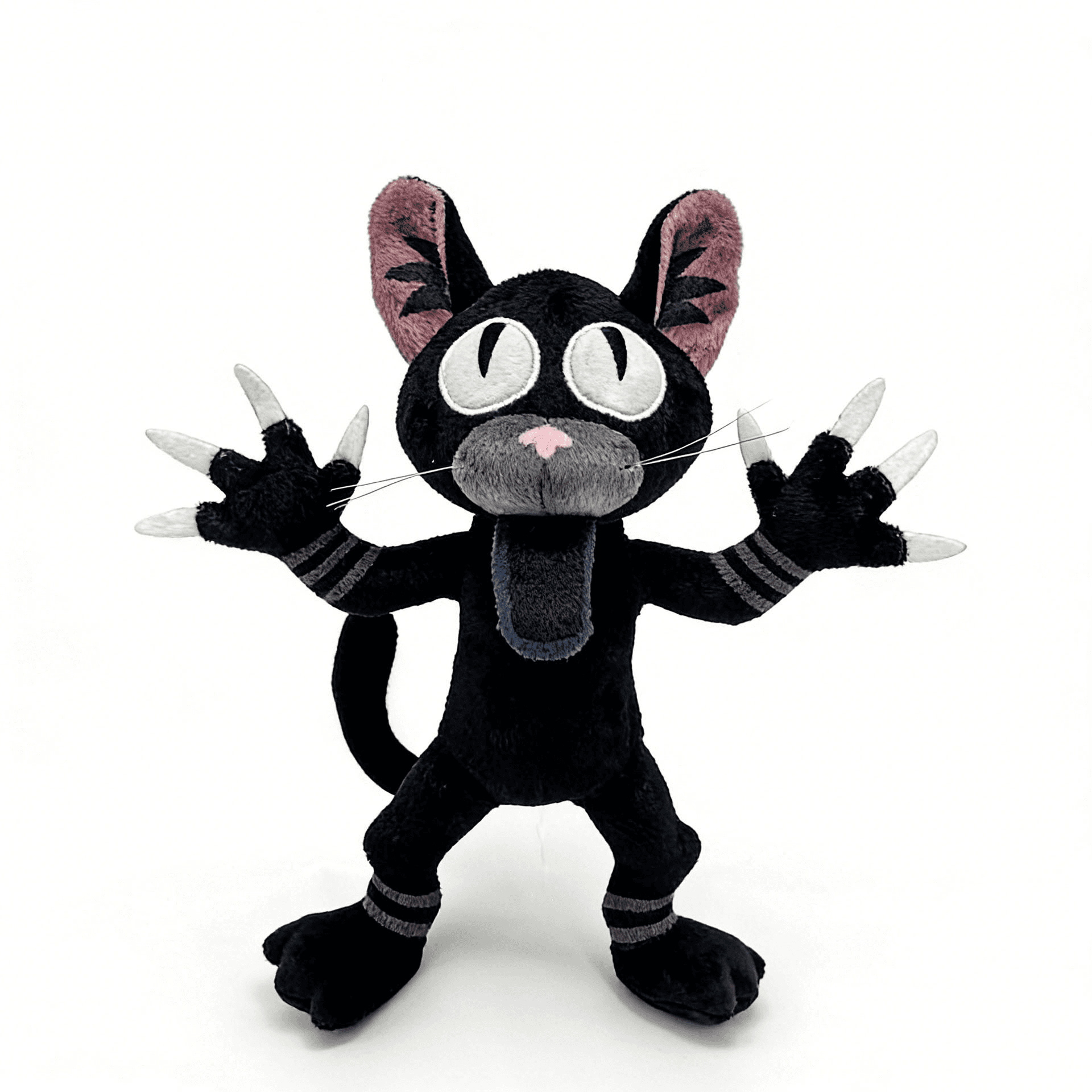 Front proportion reference
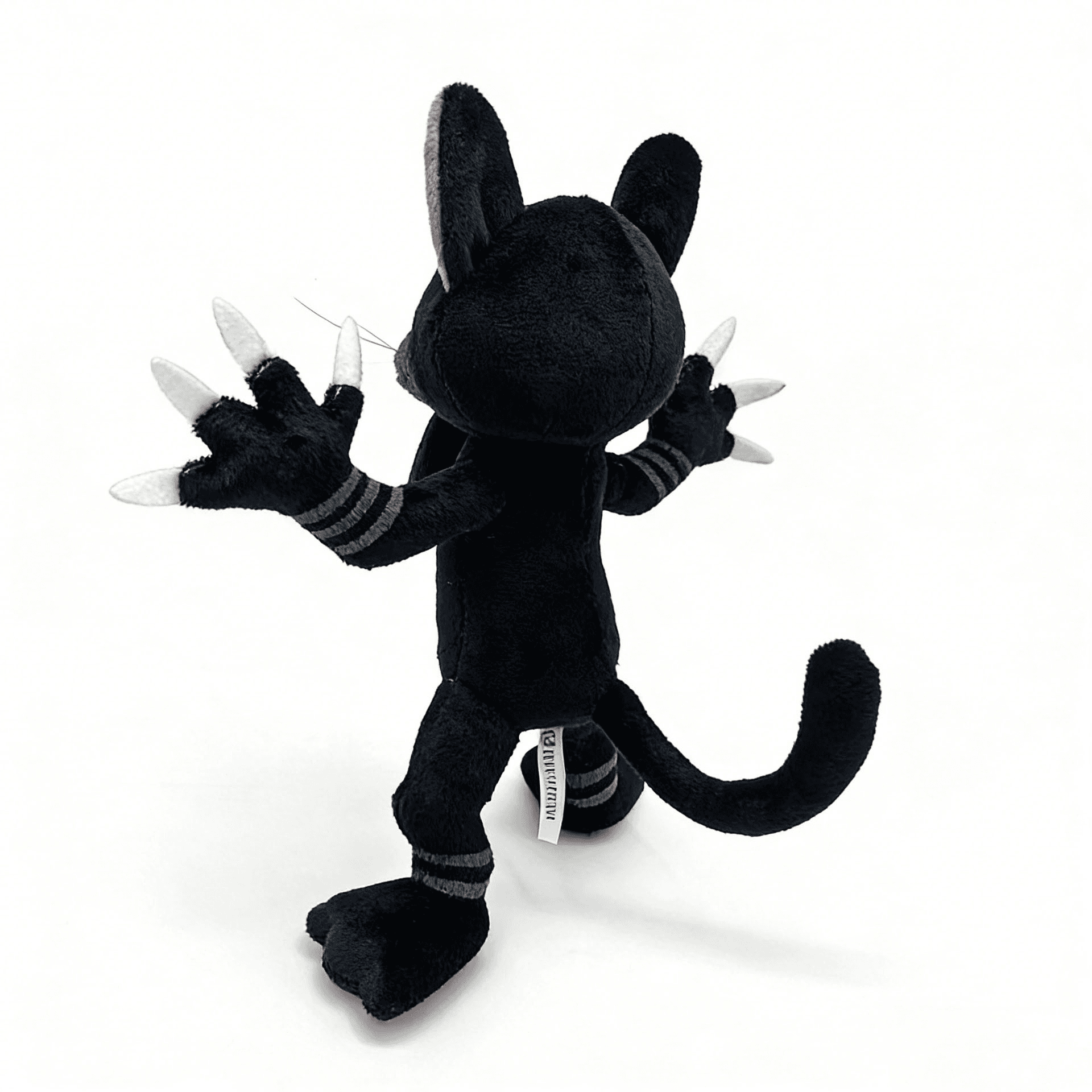 Side volume review
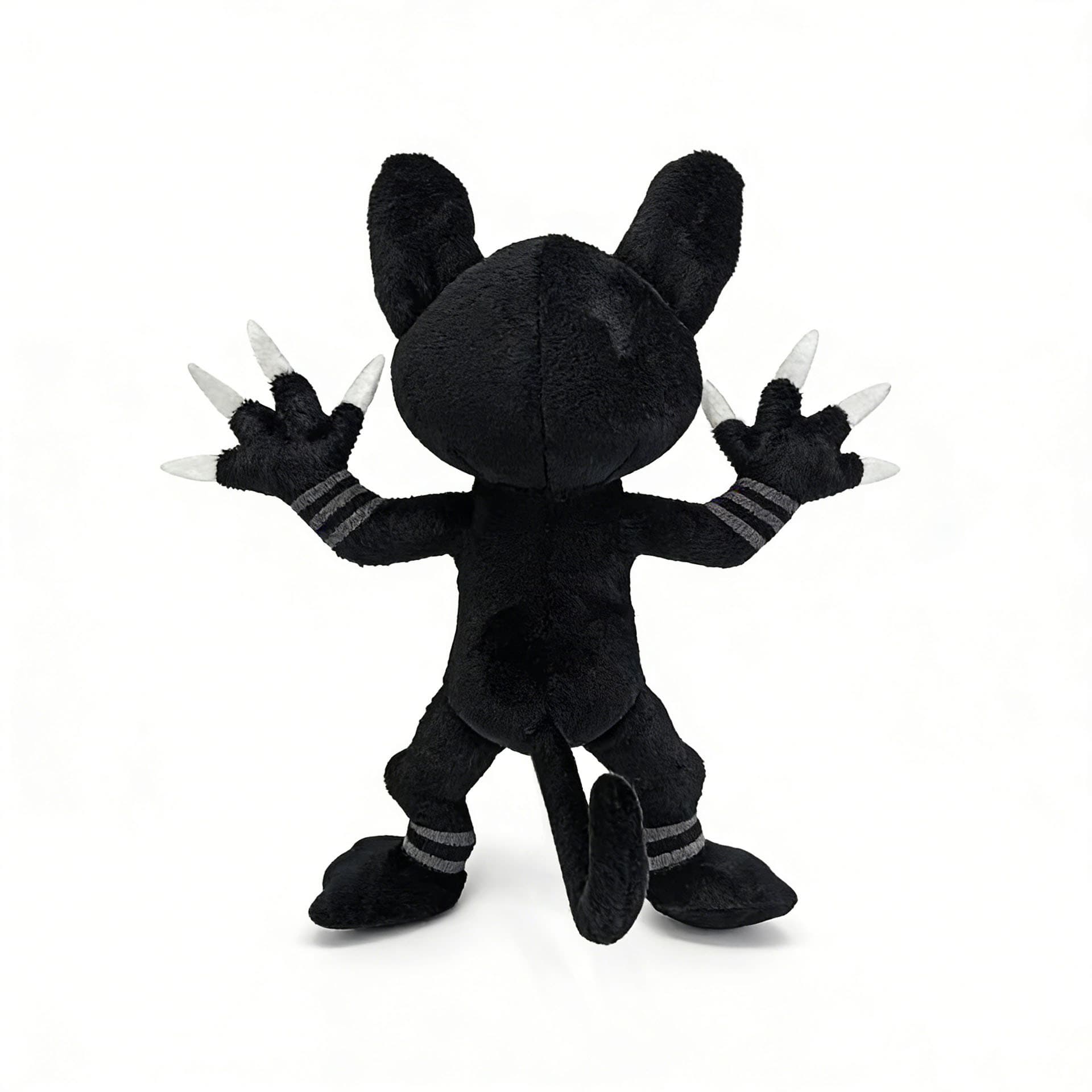 Back construction reference
HOW TO READ THIS PAGE
Transparent examples, clearly labelled
Product images are used as visual references for development decisions. No customer identity, testimonial, sales result, production volume or commercial outcome is implied. Where verified project evidence is unavailable, the copy explains the decision framework rather than inventing a result.
Character Plush Development Example
A transparent example of the decisions used to translate character artwork into a three-dimensional plush direction that can be sampled and reviewed for manufacturing feasibility.
Concept
Begin with character artwork, sketches or references plus the intended size, audience and use. The pictured plush is presented only as a development reference.
Design Analysis
Review the silhouette, expression, proportion and recognizable details across front, side and back views, identifying what may need simplification in soft construction.
Material Selection
Compare fabric pile, hand feel, colour availability, filling, embroidery and label options against the visual direction, intended use and target budget.
Prototype Development
Translate the two-dimensional concept into a first sample, then review balance, stuffing, facial placement, stability and three-dimensional character expression.
Manufacturing Considerations
Confirm seam placement, detail scale, repeatability, tolerances, labels and packaging before the product direction is treated as ready for production planning.
Final Product Presentation
A verified project would use approved sample photography and confirmed specifications here. This example demonstrates presentation structure and does not claim a customer outcome.
Front proportion referenceSide volume reviewBack construction referenceThese images illustrate product and construction references for this development example. They are not presented as before-and-after evidence from a customer project.
Plush Merchandise Development Example
An example of how one character direction can be considered across compact merchandise formats while preserving identity, function and production practicality.
Product Idea
Consider whether the character is best expressed as a mini plush, keychain, mascot accessory or functional soft pouch rather than forcing one predetermined format.
Application Scenario
Define where the item will be used: a retail collection, licensed merchandise release, event gift, museum shop product or compact promotional item.
Design Adaptation
Adjust artwork for the available scale, simplifying small details while preserving the face, silhouette, colour blocking and character cues buyers should recognise.
Production Planning
Review quantity, material availability, embroidery or applique, keyring hardware, zipper construction and the approval points required before production.
Packaging Considerations
Match hangtags, backing cards, labels, protective packing and retail presentation to the product format, destination market and distribution scenario.
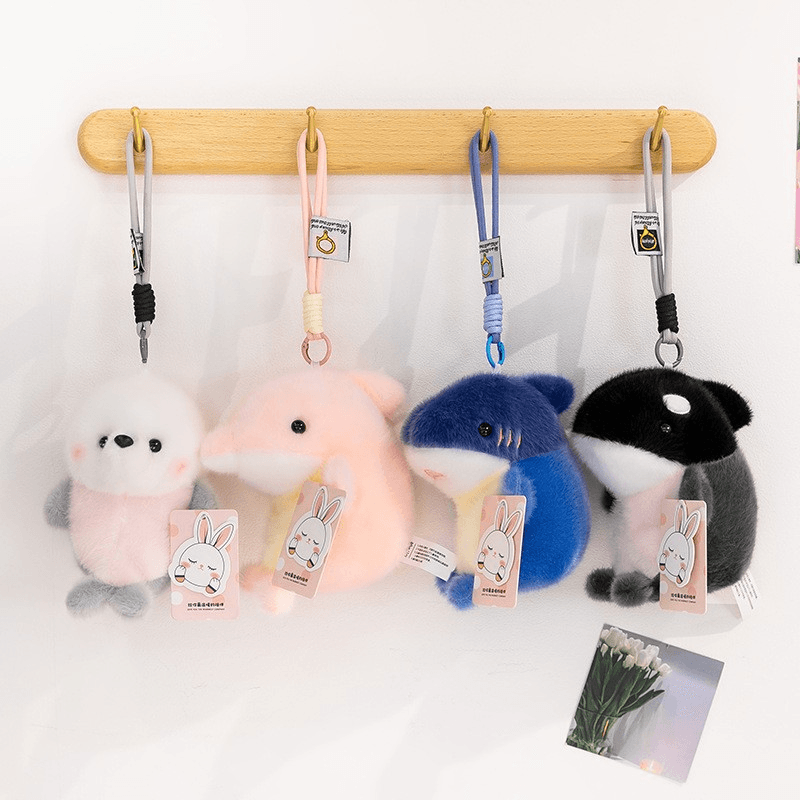 Mini plush format
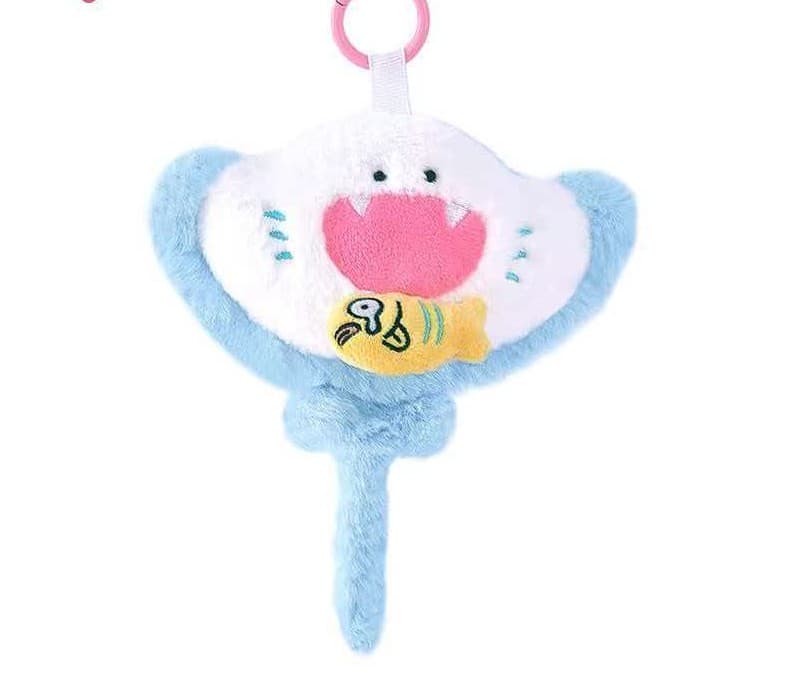 Mascot accessory direction
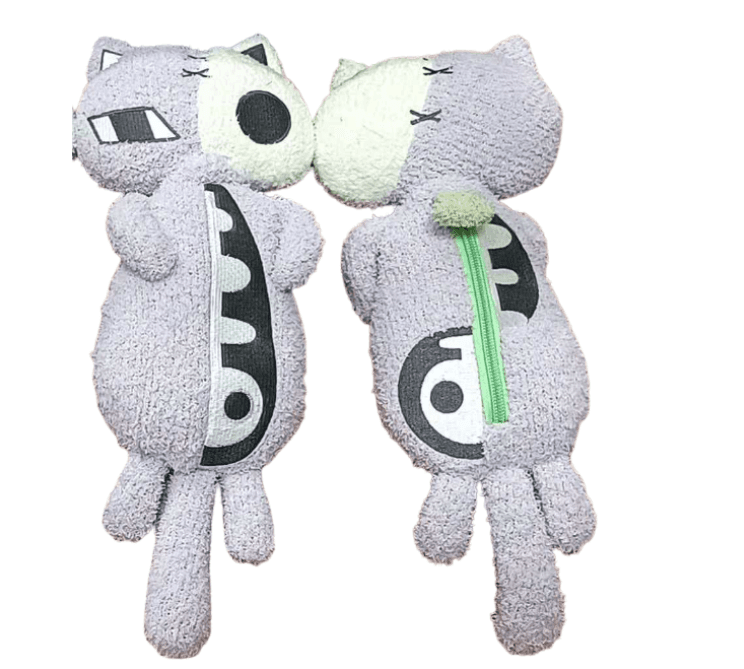 Functional soft-goods direction
These images illustrate product and construction references for this development example. They are not presented as before-and-after evidence from a customer project.
Creative Gift Product Example
A broader example showing how a campaign, retail or character-led gift idea can be shaped into a focused product direction without presenting a generic wholesale catalogue.
Concept
Start with the audience, occasion, intended use, brand or character assets, target quantity and delivery expectation before selecting a product format.
Development Process
Compare practical directions, then review size, materials, construction, decoration, packaging and sampling priorities around the brief rather than a ready-made catalogue item.
Manufacturing Details
Confirm repeatable decoration placement, hardware, seams, labels, functional checks, packaging and inspection points before moving toward production coordination.
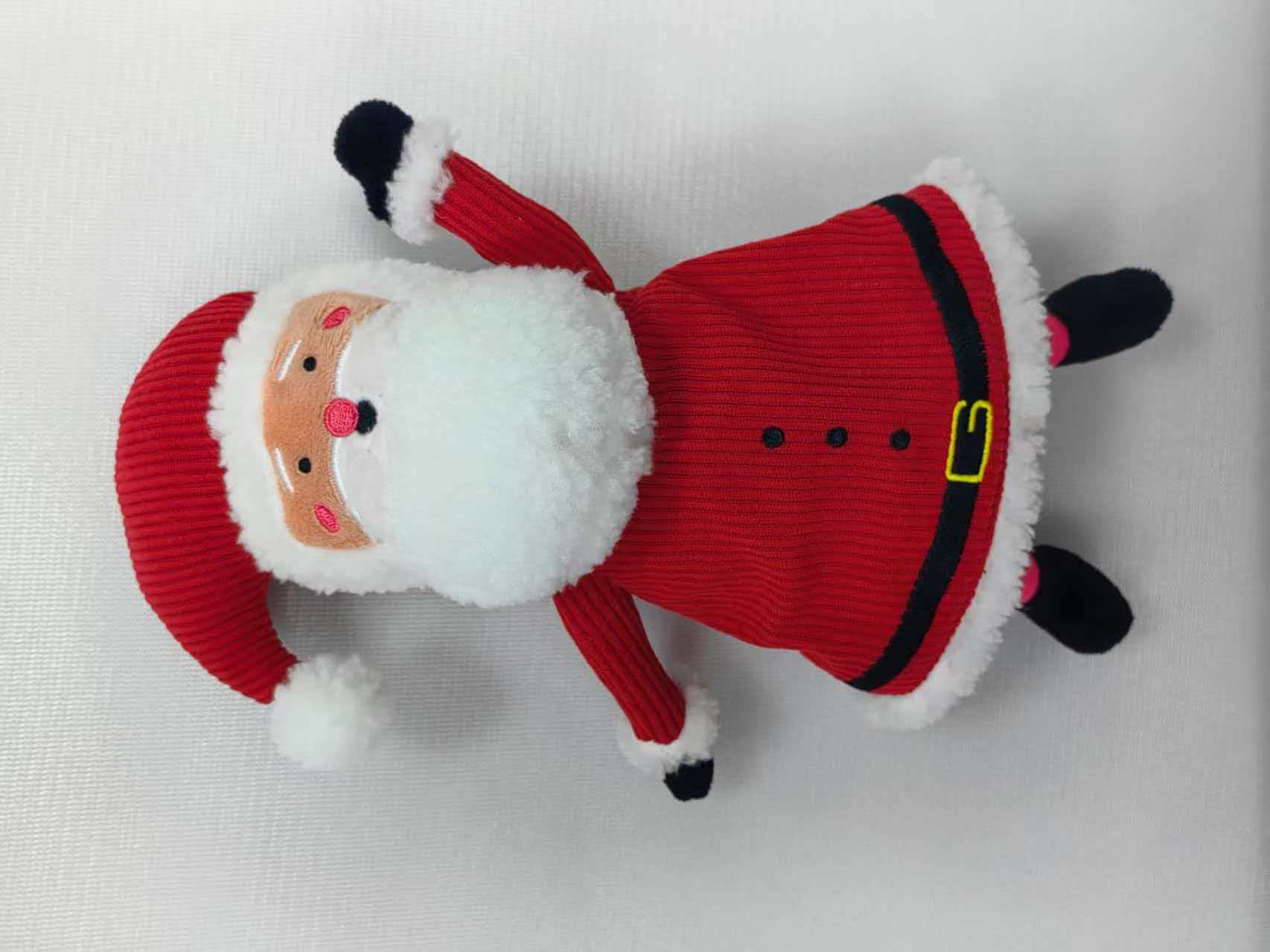 Campaign gift direction
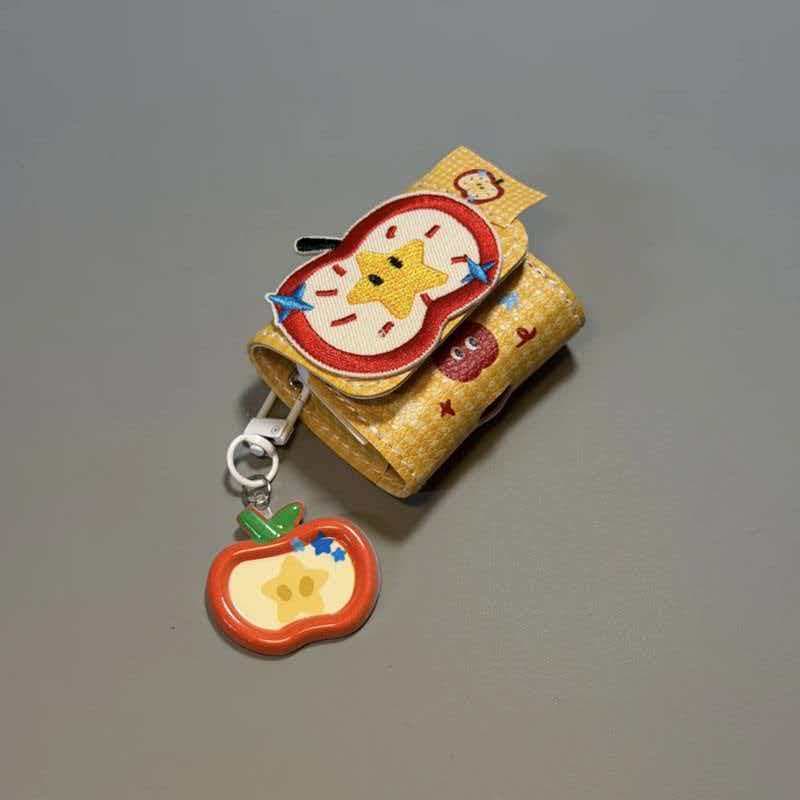 Lifestyle accessory direction
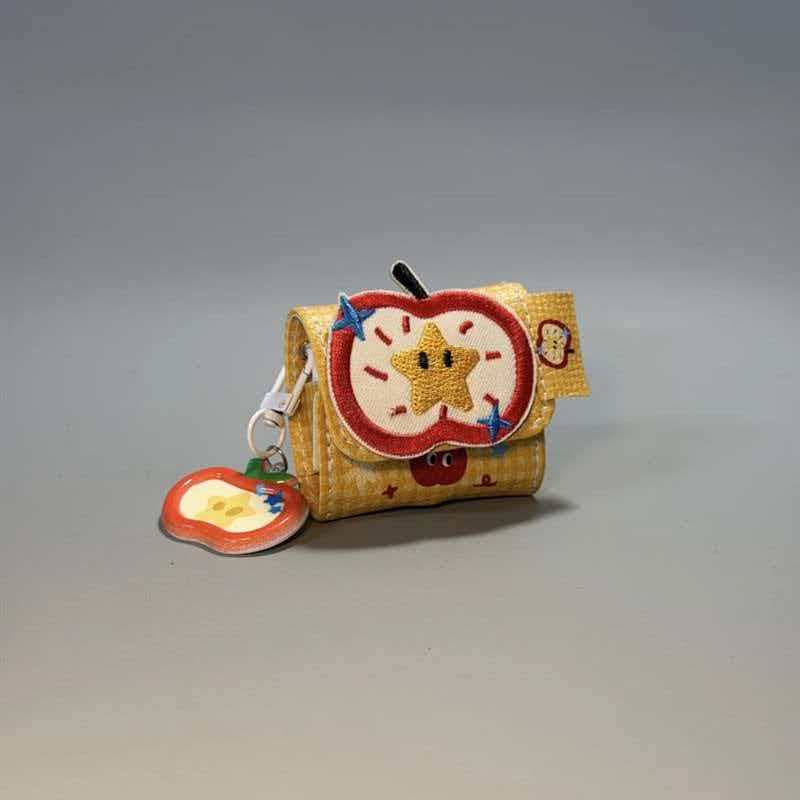 Decoration detail reference
These images illustrate product and construction references for this development example. They are not presented as before-and-after evidence from a customer project.
Connect the example to your buying decision
Review manufacturing guidance, commercial capabilities or the information needed to begin a practical product discussion.
Have a similar idea? Let's discuss your project.
Share your artwork, intended product, approximate quantity, market and timeline for a practical development review.