Plush Toy Manufacturing Resources
Practical guides for brands, IP owners and companies developing custom plush products.
Start with your buying question
Learn how materials, quantities, sampling, packaging and quality decisions affect a practical custom product brief.
Request a Quote View product development examplesStart with the complete buyer guides
Four flagship guides cover the creative, manufacturing, pricing and quantity decisions that shape a custom plush project.
Flagship guide
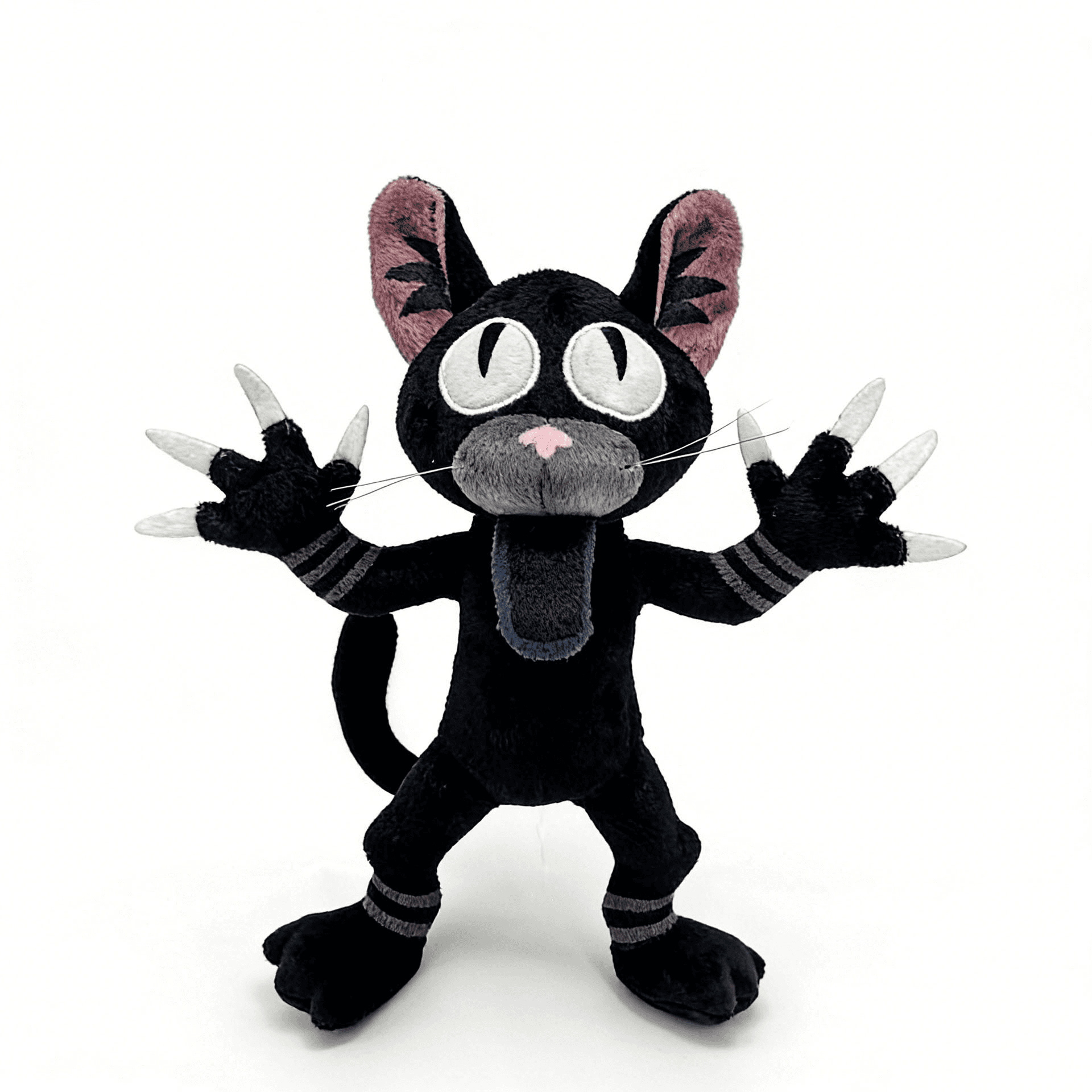
From Character Design to Plush Toy: Complete Development Guide
Turning character artwork into a plush toy is not a simple printing exercise. A two-dimensional design must become a soft, three-dimensional object that preserves the character's identity while remaining practical to pattern, sew, stuff, inspect and reproduce. This guide explains the decisions brands and IP teams should make with a character plush manufacturer before approving production.
Read complete guide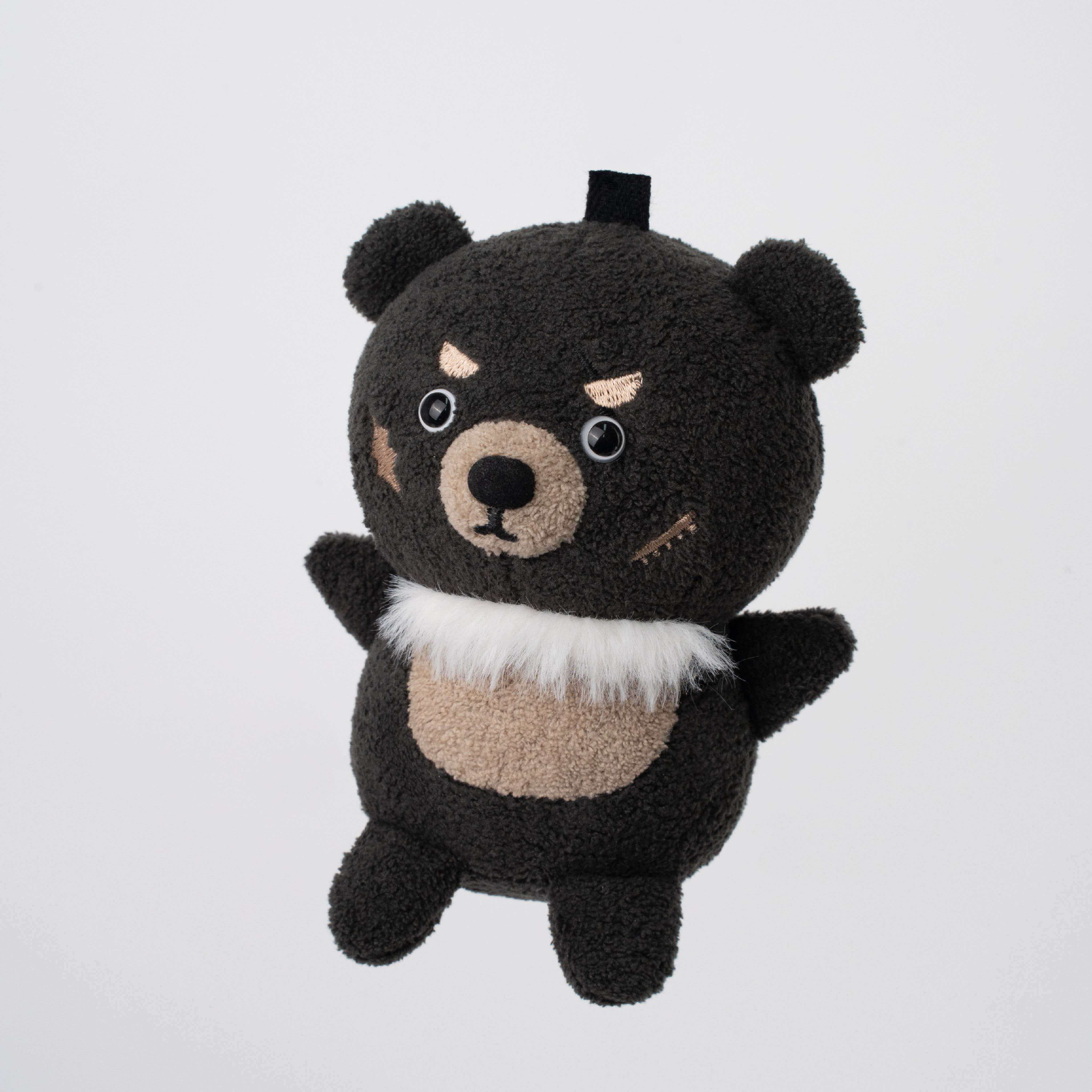
Flagship guide
OEM vs ODM Plush Toy Manufacturing Guide
OEM and ODM are often used as broad supplier labels, but for a custom plush project they describe different starting points, responsibilities and development risks. The right model depends on how complete your product direction is, what your team can specify, how much design support you need and which decisions must be validated before custom plush toy production begins.
Read complete guide
Flagship guide
Custom Plush Toy Cost & Pricing Guide
Custom plush toy cost cannot be reduced to one price per piece. A reliable quotation reflects the product design, size, fabrics, pattern complexity, decoration, accessories, packaging, quantity, quality requirements and delivery terms. This guide gives IP owners, toy startups, brands, gift companies and Amazon sellers a practical way to understand sample fees, production pricing and landed cost before requesting a manufacturer quotation.
Read complete guide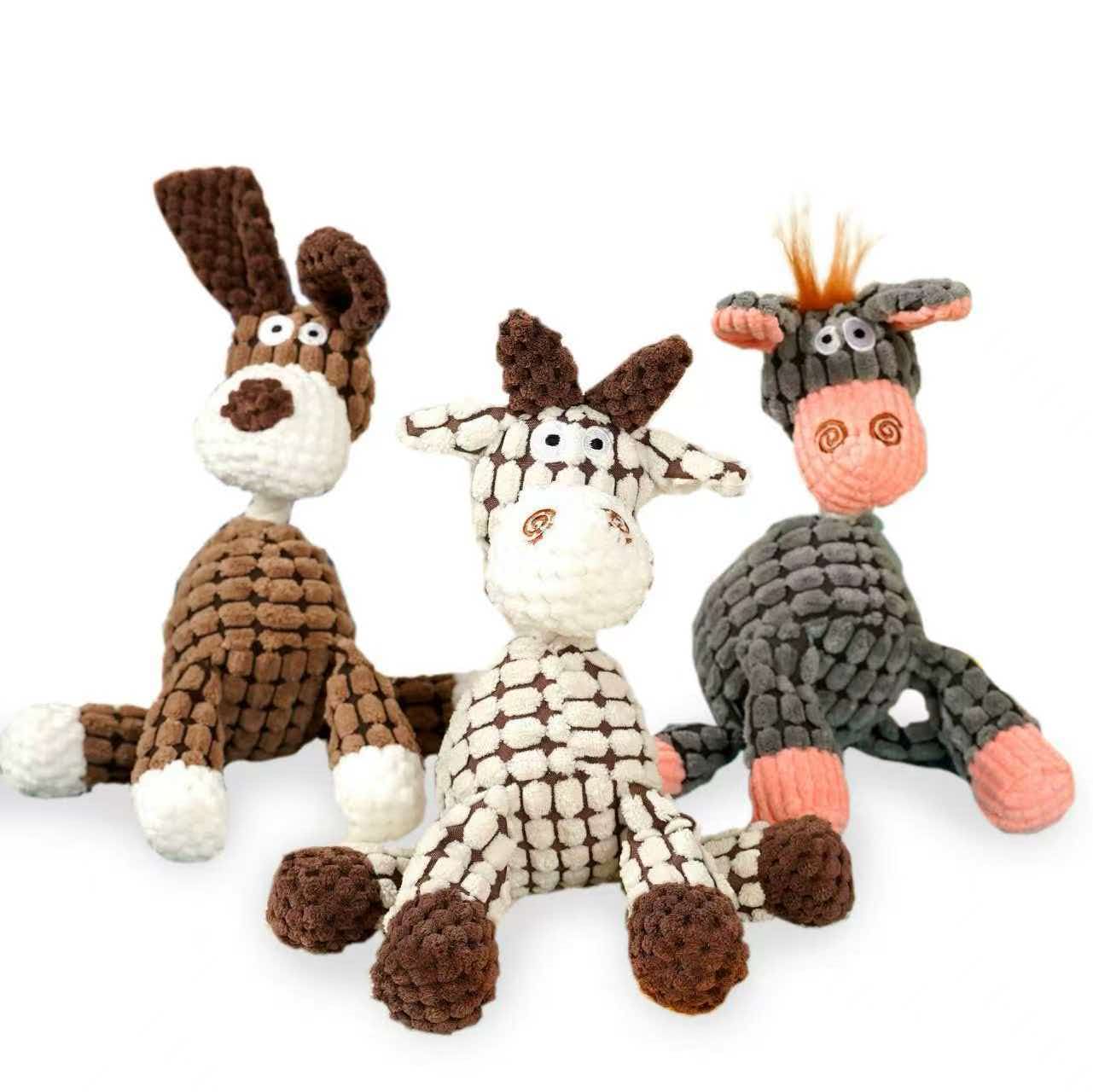
Flagship guide
Custom Plush Toy MOQ Guide for Buyers
A custom plush toy MOQ is not an arbitrary number applied to every project. It is the smallest production quantity at which the materials, decoration processes, sewing work, packaging and production setup can be organized responsibly for a specific design. This guide explains the manufacturing logic behind plush toy minimum order quantity decisions so buyers can compare options, reduce launch risk and request a more useful quotation.
Read complete guideFind guidance by project stage
3 guides
Product Development
Guides for turning character artwork into plush formats, prototypes and production-ready specifications.
View category4 guides
Manufacturing Guide
Buyer guidance on OEM, ODM, manufacturer evaluation, MOQ and custom plush production planning.
View category1 guides
Quality Control
Practical checkpoints for samples, specifications, materials, construction, packaging and inspection.
View category3 guides
Brand Merchandise
Development guidance for character collections, branded gifts, promotional products and retail packaging.
View categoryAnswers for real sourcing and development decisions
Each guide connects practical education with the relevant capability, development example and inquiry path.
How to Turn a Character Design Into a Production-Ready Plush Toy
Turning character artwork into a plush toy is not a simple printing exercise. A two-dimensional design must become a soft, three-dimensional object that preserves the character's identity while remaining practical to pattern, sew, stuff, inspect and reproduce. This guide explains the decisions brands and IP teams should make with a character plush manufacturer before approving production.
Read buyer guideOEM vs ODM Plush Toy Manufacturing: Which Model Is Right for Your Brand?
OEM and ODM are often used as broad supplier labels, but for a custom plush project they describe different starting points, responsibilities and development risks. The right model depends on how complete your product direction is, what your team can specify, how much design support you need and which decisions must be validated before custom plush toy production begins.
Read buyer guideHow Much Does It Cost to Make a Custom Plush Toy? A Complete Pricing Guide
Custom plush toy cost cannot be reduced to one price per piece. A reliable quotation reflects the product design, size, fabrics, pattern complexity, decoration, accessories, packaging, quantity, quality requirements and delivery terms. This guide gives IP owners, toy startups, brands, gift companies and Amazon sellers a practical way to understand sample fees, production pricing and landed cost before requesting a manufacturer quotation.
Read buyer guideCustom Plush Toy MOQ Guide: What Buyers Need to Know Before Production
A custom plush toy MOQ is not an arbitrary number applied to every project. It is the smallest production quantity at which the materials, decoration processes, sewing work, packaging and production setup can be organized responsibly for a specific design. This guide explains the manufacturing logic behind plush toy minimum order quantity decisions so buyers can compare options, reduce launch risk and request a more useful quotation.
Read buyer guide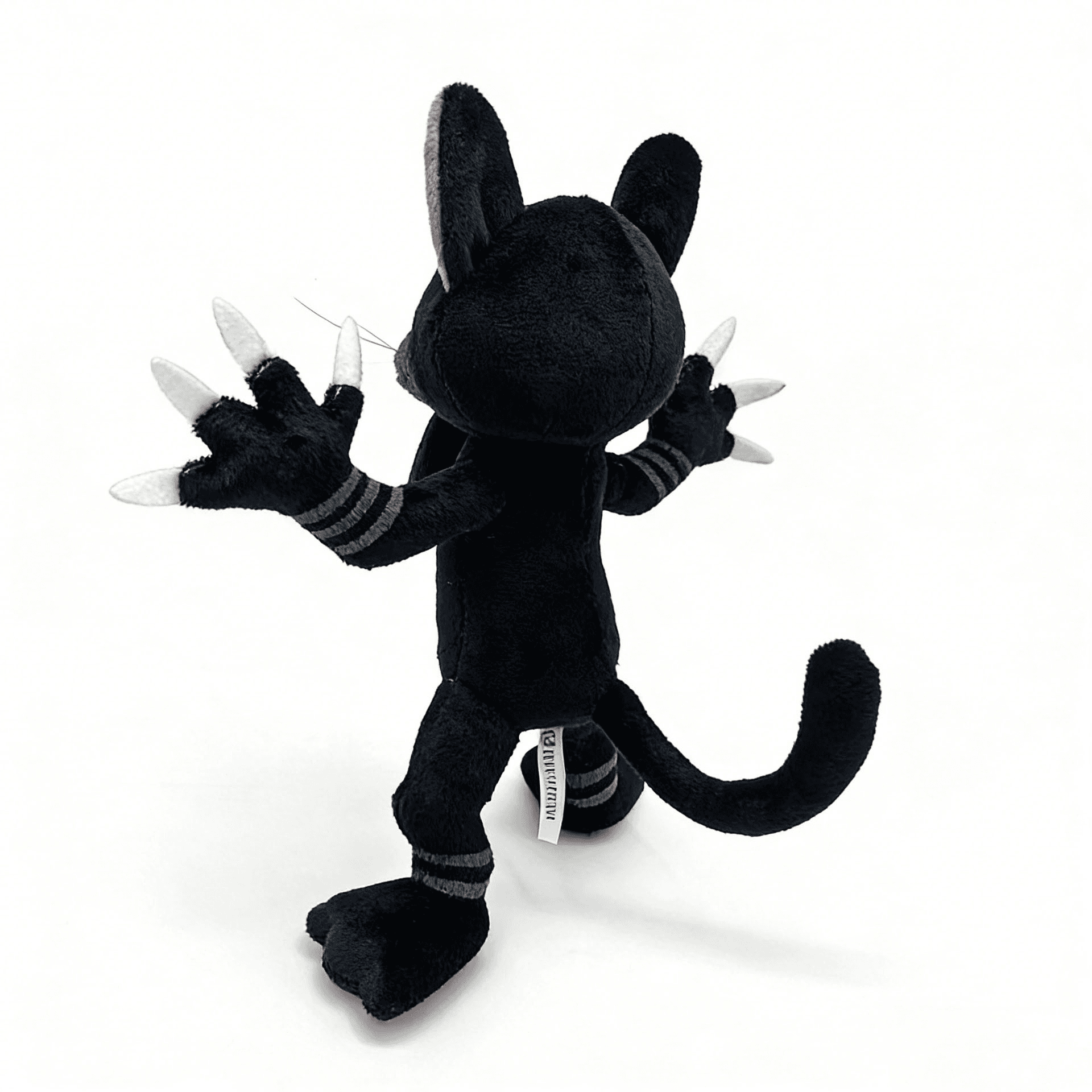
Custom Plush Sampling Process: From First Prototype to Approval
Sampling turns assumptions into something that can be held, measured and reviewed. A useful sample process gives the buyer clear approval points and keeps creative feedback connected to manufacturable details.
Read buyer guidePlush Toy Embroidery vs Printing: How to Choose the Right Decoration Method
Embroidery and printing do more than create different surface finishes. They translate artwork into a physical detail that must remain readable after fabric is cut, sewn, curved and stuffed. The right method depends on the artwork, pile length, detail size, colour complexity, intended visual effect and the consistency required across the finished product. A buyer should therefore evaluate decoration together with fabric, pattern placement and sample scale rather than choose a method from a screen image alone.
Read buyer guideHow to Choose a Custom Plush Toy Manufacturer
A useful supplier comparison looks beyond a product gallery or the lowest initial quote. Custom plush development depends on how well a partner interprets artwork, explains trade-offs, controls samples and prepares specifications for production.
Read buyer guide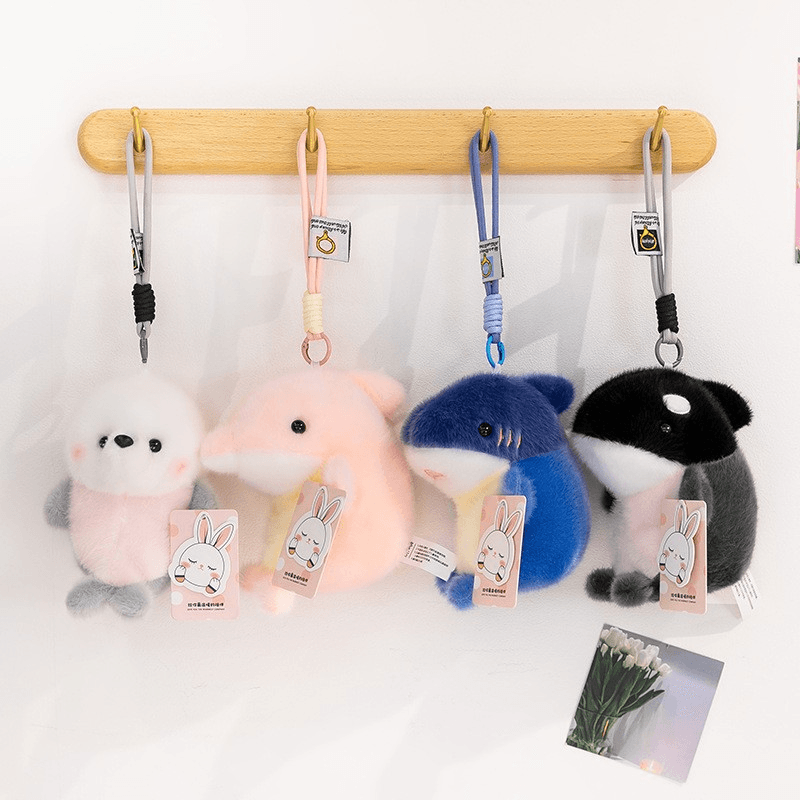
Character Merchandise Development for IP Owners
Successful character merchandise feels connected to the original world while working as a useful, manufacturable product. The goal is not to place artwork on every possible item, but to choose formats that preserve recognition and suit the audience.
Read buyer guide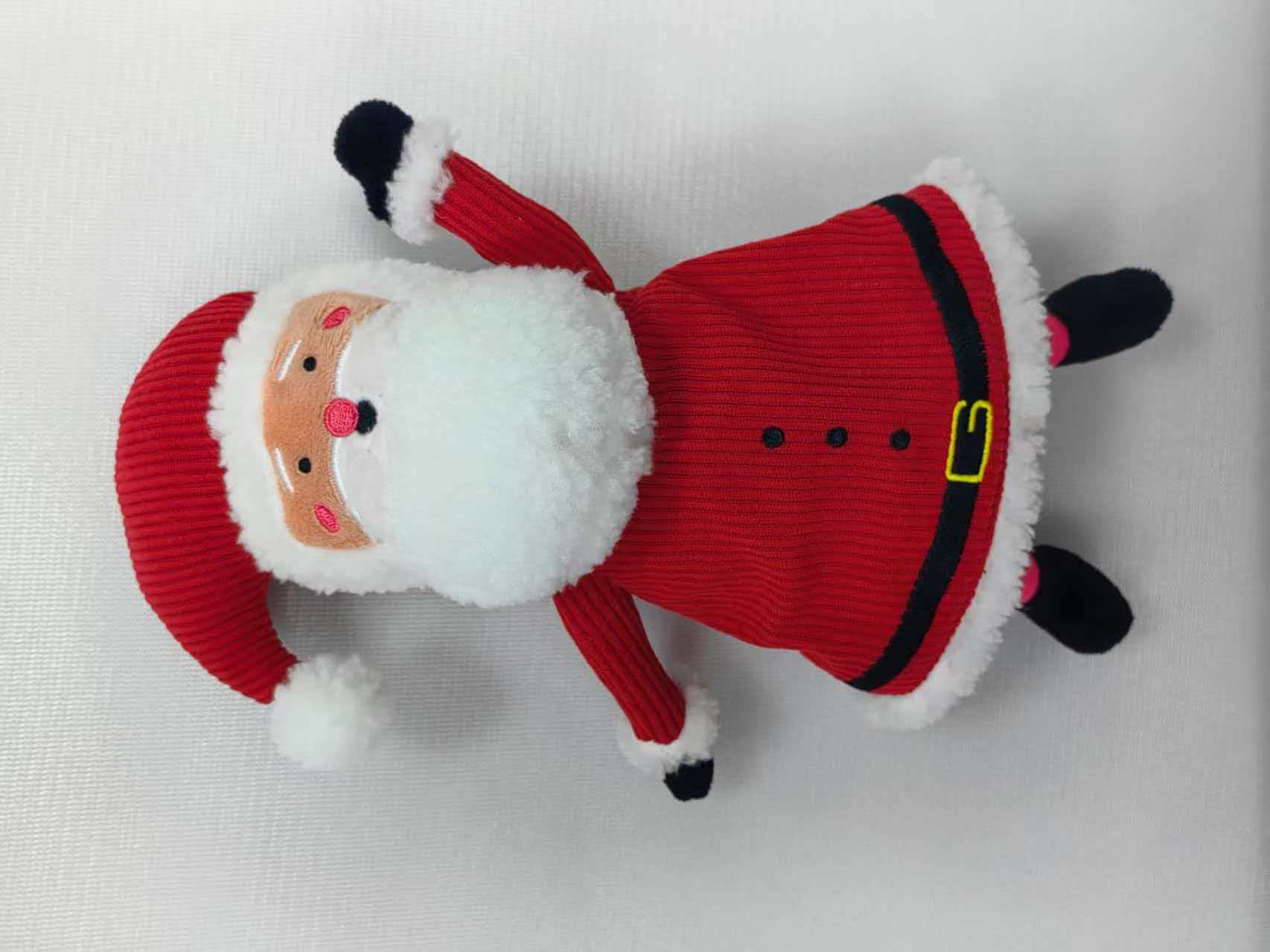
Promotional Plush Gifts for Events and Brand Campaigns
Promotional merchandise works best when the product format supports a clear campaign objective. A mascot plush, mini keychain or compact branded gift should be selected around the audience, distribution method and the experience the campaign wants to create.
Read buyer guide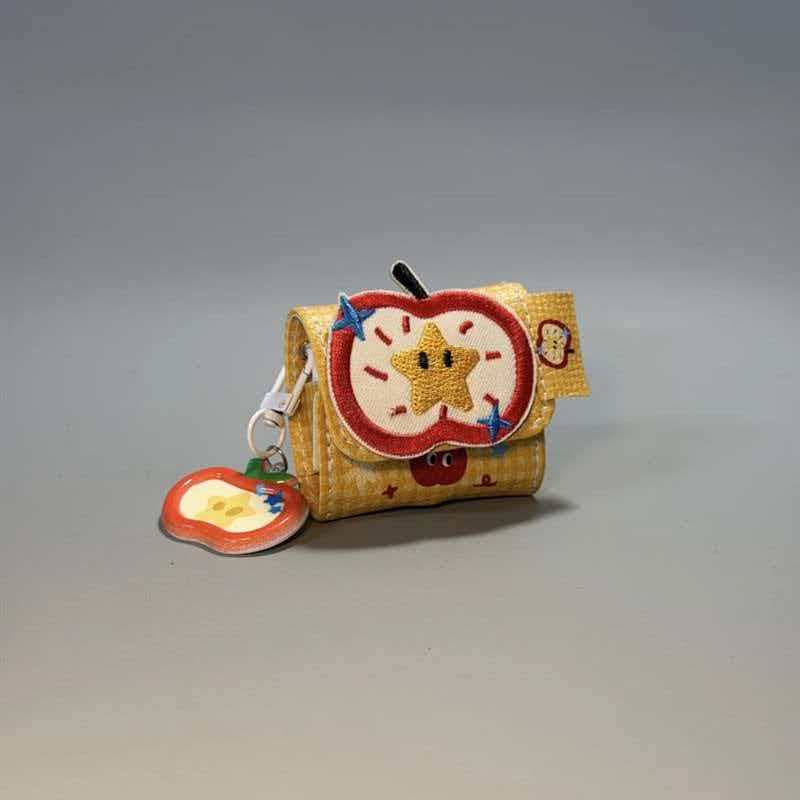
Custom Packaging Options for Plush and Character Merchandise
Packaging protects the product, communicates the brand and prepares merchandise for retail or distribution. The right solution depends on product size, presentation, shipping volume, labeling needs and where the item will be sold or gifted.
Read buyer guide
Quality Control Checklist for Custom Plush Production
Quality control is most useful when expectations are defined before production. The approved sample, written specification and destination requirements should establish what will be checked and how acceptable variation is understood.
Read buyer guide